
Dinamik sistemalar va ularning tatbiqlari ilmiy laboratoriyasi
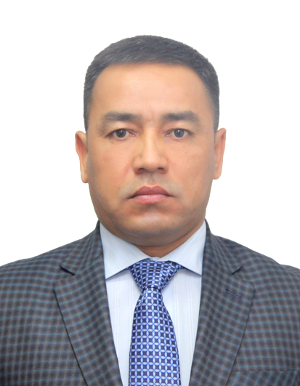
Laboratoriya mudiri
Abdulla A’zamov
Laboratoriya mudiri
📧 Email: abdulla.azamov@gmail.com
📞 Telefon: +998 97 718 08 42
🕔 Qabul kunlari:
🏢 Xona raqami: 215
📍 Manzil:
100174, Toshkent shahri, Olmazor tumani, Universitet ko'chasi, 9-uy
BatafsilLaboratoriya haqida
O‘zbekiston Respublikasi Fanlar akademiyasi Matematika institutining “Dinamik sistemalar va ularning tatbiqlari” laboratoriyasi tarixi institut tashkil etilgan 1943 yilga borib taqaladi. 1944 yilda prof. V.A.Bugayev rahbarligida “Geofizika nazariyasi” bo‘limi ochilgan. Unda prof. V.A.Djordjio, V.I.Gubin va boshqa olimlar asosan meteorologiya muammolarini matematik usulda tadqiq etish bilan shug‘ullanishgan. Keyinchalik bo‘lim nomi “Amaliy matematika” deb o‘zgartirilgan. 1986-94 yillarda bu bo‘limga prof. B.V.Loginov, 1994-2005 yillarda prof. B.B.Rixsiyev rahbarlik qilgan. Bu davrda bo‘limda tarmoqlanish nazariyasi, optimal boshqaruv va differentsial o‘yinlar hamda matematik modellashtirish bo‘yicha ilmiy tadqiqotlar olib borilgan (akad. N.Yu.Satimov, prof. A.A.Azamov, prof. B.B.Rixsiyev, f.-m.f.d. G.Ibragimov, f.-m.f.d. A.Sh.Kuchkarov va boshqalar).
2005 yildan bo‘limni prof. (2017 yildan akademik) A.A.Azamov boshqarib kelmoqda. O‘zbekiston Respublikasi Prezidentining 2019 yil 9 iyuldagi “Matematika ta’limi va fanlarini yanada rivojlantirishni davlat tomonidan qo‘llab-quvvatlash, shuningdek, O‘zbekiston Respublikasi Fanlar akademiyasi V.I. Romanovskiy nomidagi Matematika instituti faoliyatini tubdan takomillashtirish chora-tadbirlari to‘g‘risida”gi PQ-4387-son qaroriga muvofiq “Dinamik sistemalar nazariyasi” bo‘limi negizida “Dinamik sistemalar va ularning tatbiqlari” laboratoriyasi tashkil etildi. Hozirgi kunda laboratoriyada 7 shtat birligidan iborat 1ta bosh ilmiy xodim 3 ta yetakchi ilmiy xodim, 2 ta katta ilmiy xodim, 1 ta kichik ilmiy xodim, 1 ta laborant faoliyat olib bormoqda. Jumladan, akad. A. Azamov, prof. G. Ibragimov, f.-m.f.d. N. Mamadaliyev, f.-m.f.n. A.A.Abdug‘aniyev, PhD M.Bekimov, PhD A. Tilavov va boshqalar dinamik sistemalarning klassik nazariyasi, hisoblash dinamikasi, siklik jarayonlarni matematik modellashtirish, evolyutsion sistemalarda boshqaruv, graflarda quvish masalalari bo‘yicha ilmiy faoliyat olib bormoqda.
Bo‘lim respublikamizning UzMU, TATU, NamDU, AndDU, GulDU, TerDU universitetlari bilan hamda ICTP (Italiya), KAIST (Janubiy Koreya), INSPEM (Malayziya), Rossiya Fanlar akademiyasi Ural bo‘limining N.N.Krasovskiy nomidagi Mexanika va matematika instituti, Rossiya Fanlar akademiyasining V.A.Steklov nomidagi matematika instituti, M.V.Lomonosov nomidagi Moskva davlat universiteti, S-Peterburg universitetining “Amaliy matematika va boshqaruv jarayonlari” fakulteti, Galgotias universiteti (Hindiston), Lafboro (Buyuk Britaniya), Al-Ain universiteti (Birlashgan Arab amirligi), Amerika Qo‘shma Shtatlarining Delaver universiteti, Rossiya Fanlar akademiyasining G.I. Marchuk nomidagi Hisoblash Matematika Instituti, Birlashgan Arab Amirliklarining Al-Ayn universiteti, Malayziyaning Putra universiteti kabi horijiy universitetlar va ilmiy markazlar bilan ilmiy aloqalar olib bormoqda.
Tekislikdagi polinomial dinamik sistemalarni Puankare sferasiga davom ettirishda proyektivlik xossasi yo‘qotilishi mumkinligi aniqlanib, bu xossa saqlanadigan davom ettirish usuli taklif etildi.
Uch o‘lchovli kvadratik dinamik sistemalarda davriy trayektoriyalarni avtomatik tarzda izlaydigan programma yaratildi.
Dinamik sistemalar uchun Puankare akslantirishi qurishning diskret sonli kuzatuv (DN-kuzatuv) usuli ishlab chiqildi va 2,3,4 o‘lchovli dinamik sistemalar, xususan I. Prigojinning “Brusselator” misoliga tatbiq etildi.
Integral chegarali bir nechta quvuvchi va bitta qochuvchidan iborat quvish va qochish differensial o‘yinlari o‘rganildi. Quvuvchilarning ta’qibi uchun yetarli shartlari topilib, ta’qib qiluvchilar uchun strategiyalar tuzilgan. Qochishning yetarli sharti qochuvchining boshlang‘ich pozitsiyalarining qavariq qobig‘i orqali ifodalangan va qochish strategiyasi qurilgan.
Ko‘p quvuvchilar va bitta qochuvchi ishtirokidagi ko‘p marotaba qo‘lga olish differensial o‘yini o‘rganildi. Boshqaruv masalalarida ba’zi boshqaruv parametrlarining muayyan to‘plamlarda (geometrik cheklovlar) cheklanishi, boshqa boshqaruv parametrlarining esa integral cheklovlarga bo‘ysunadi. O‘yinchilarning boshqaruv parametrlarining k komponentlariga geometrik cheklovlar, qolgan n − k komponentlariga esa integral cheklovlar qo‘yildi. d marotaba qo‘lga olishni amalga oshirish uchun biz geometrik cheklovlarda qochuvchidan ustun bo‘lgan ta’qibchilar tanlandi (boshqa ta’qibchilarni e’tiborga olmagan holda).
Geometrik cheklovlarga ega bo‘lgan boshqaruvlar ostida to‘g‘ri chiziqli harakatlanuvchi o‘yinchilar uchun “Hayot chizig‘i” bilan differensial ta’qib o‘yinida Π-strategiyasining samaradorligini ochib berildi. Ta’qib o‘yinida Π-strategiyasi qabul qilindi va P o‘yinchining g‘alaba qozonishi uchun zarur va yetarli shartlar aniqlandi. Ko‘p qiymatli akslantirishning tayanch funksiyasini aniqlash va uning xususiyatlarini qo‘llash orqali biz ta’qib o‘yinida E qochuvchining erishish mumkin bo‘lgan to‘plamining aniq formulasi topildi.
Ikosaedr qirralarida harakatlanuvchi m quvuvchi va bitta qochuvchi ishtirokidagi differensial o‘yin o‘rganildi va qochuvchi uchun o‘yinda qochish mumkin bo‘lgan nuqtalar aniqlandi.
Kvadratik dinamik sistemalar yechimi uchun Teylor formulasiga asoslangan aniqlilik darajasi yuqori sonli integrallash algoritmi ishlab chiqildi. Teylor formulasidagi qo‘shiluvchilar tili tuzilib, uning N. Xomskiy grammatikalari o‘rganildi va fraktal xossalari ochildi.
Sterjendagi issiqlik almashish tenglamasi uchun suboptimal boshqarish funksiyasi qurildi.
Differensial mansubliklar uchun Pontryaginning birinchi va ikkinchi quvish usullari rivojlantirildi.
Ixtiyoriy o‘lchovli fazolardagi muntazam ko‘pyoqliklarning qirralari bo‘ylab quvish-qochish o‘yini hal etildi.
Regenerativ havo qizdirgichdagi issiqlik almashish termodinamik jarayonining diskret dinamik sistemalar ko‘rinishidagi matematik modeli yaratildi va tegishli dasturiy ta’minot yaratildi. Dinamik sistemalar limit to‘plamlarining topologik xossalari o‘rganildi.
Laboratoriya mudiri akademik A. Azamov “Xalq ta’limi a’lochisi” ko‘krak nishoni, Xalqoro Bobur mukofoti (2015 y.), “Mehnat shuhrati” ordeni (2016 y.), “Oʻzbekiston Respublikasi fan arbobi” faxriy unvoni (2023 y.), “Mehnat faxriysi” koʻkrak nishon (2025 y.) bilan taqdirlangan. Shuningdek, laboratoriya bosh ilmiy xodimi G‘. Ibragimov Xalqaro “Pifagor” mukofoti (2018), Malayziyaning oltin va kumush medallari, “O‘zbekiston mustaqilligining 30 yillik esdalik nishoni” (2021) bilan taqdirlangan. Qolaversa 2025 yilda Stenford/Elsevier Top 2% olimlar roʻyxatiga qo‘shildi.
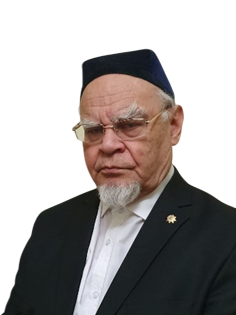
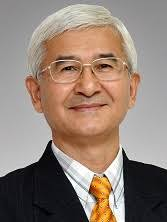
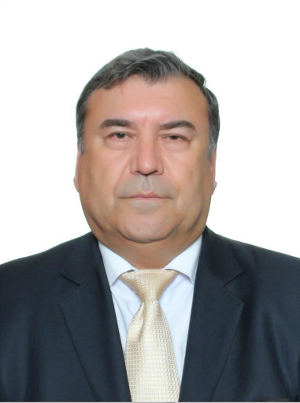
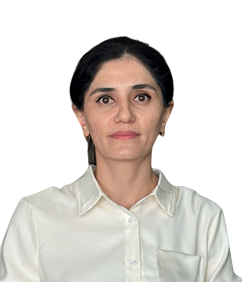
Laboratoriya xodimlari



Ilmiy faoliyat
Hozirgi kunda “Dinamik sistemalar va ularning tatbiqlari” laboratoriyasida quyidagi yo‘nalishlar bo‘yicha izlanishlar olib borilmoqda:
- Dinamik sistemalarning sifat nazariyasi. Dinamik sistemalarning sifat nazariyasi — bu differensial tenglamalar yordamida ifodalanadigan tizimlarning harakatini o‘rganadigan matematikaning bo‘limidir. Dinamik sistemalarning sifat nazariyasi doirasida tizimlarning vaqt o‘tishi bilan qanday o‘zgarishini, barqarorligini va traektoriyalarining shaklini aniqlash bilan bog‘liq masalalar o‘rganiladi.
- Hisoblash dinamikasi. Hisoblash dinamikasi — bu dinamik tizimlarning harakatini matematik modellar yordamida kompyuter orqali tahlil qilish va modellashtirish bilan shug‘ullanuvchi fan sohasi. U differensial tenglamalarga asoslangan tizimlarni raqamli usullar bilan yechib, vaqt bo‘yicha qanday harakatlanishini (trajectory), barqarorligini, tebranishini yoki beqarorligini o‘rganadi.
- Issiqlik taqsimoti va tarqalishi jarayonlarini modellashtirish. Issiqlik taqsimoti va tarqalishi jarayonlarini modellashtirish — bu jismlar ichida yoki ular orasida issiqlikning vaqt va makon bo‘yicha qanday o‘zgarishini matematik tenglamalar yordamida ifodalash va kompyuterda hisoblashdir. Boshqacha aytganda, bu jarayonlar issiqlik energiyasining tarqalishini (diffuziyasini) tahlil qiladi.
- Dinamik o‘yinlar nazariyasi. Dinamik o‘yinlar nazariyasi — bu bir nechta qaror qabul qiluvchi tomonlar (o‘yinchilar) vaqt davomida o‘zaro ta’sir qiladigan tizimlarda eng maqbul strategiyalarni o‘rganadigan matematikaning bo‘limidir. Har bir o‘yinchi tizimning holatiga qarab o‘z harakatini (boshqaruvini) tanlaydi, bu esa keyingi holat va natijaga ta’sir qiladi. Boshqacha aytganda: Dinamik o‘yinlar — bu vaqt bo‘yicha rivojlanadigan strategik raqobat jarayonlari.
- Optimal boshqaruv nazariyasi. Optimal boshqaruv nazariyasi — bu berilgan dinamik tizimni ma’lum maqsadga eng yaxshi (optimal) yo‘l bilan olib borish usullarini o‘rganadigan matematika bo‘limidir. Boshqacha aytganda, bu nazariya tizimni boshqarishning eng foydali, eng tejamli yoki eng tezkor strategiyasini topish bilan shug‘ullanadi.
- Dinamik jarayonlarni matematik modellashtirish. Dinamik jarayonlarni matematik modellashtirish — bu vaqt davomida o‘zgarib turuvchi tizimlar (fizik, biologik, iqtisodiy, texnik va boshqalar) uchun matematik ifoda (model) tuzish va u orqali jarayonning xatti-harakatini tahlil qilish demakdir. Bu soha — vaqt bo‘yicha o‘zgaradigan real jarayonlarni tenglamalar orqali ifodalab, ularni tahlil qilish bilan shug‘ullanadi.
Xalqaro hamkorlik
Laboratoriya ko‘plab institut va universitetlar bilan faol ilmiy hamkorlik qilib kelmoqda, jumladan:
- KAIST (Korea Advanced Institute of Science and Technology) Koreya Respublikasi
- SISSA (Scuola Internazionale Superiore di Studi Avanzati) Italiya, Triyest
- Laffboro universiteti, Angliya
- Rossiya fanlar akademiyasi Matematika instituti, Rossiya
- Moskva davlat universiteti, Rossiya
- Rossiya xalqlar do’stligi universiteti, Rossiya
- Matematika va mexanika instituti (URO RAN), Rossiya
- Putra Malaysia universiteti, Malayziya
- S-Peterburg universiteti, Rossiya va boshqalar.
Seminarlar
Dinamik va boshqariluvchi sistemalar (ilmiy seminar)
Seminar manzili: ZOOM ID- 2302313262
Har dushanba kuni soat 16:00 da V.I. Romanovskiy nomidagi Matematika instituti 105-xonada
Seminar rahbari: akademik Abdulla Azamov: seminar kotibi: A.M. Tilavov
Konfliktli jarayonlarning matematik modellari (ilmiy seminar)
Seminar manzili: ZOOM ID- 2302313262
Har dushanba kuni soat 16:00 da V.I. Romanovskiy nomidagi Matematika instituti 105-xonada
Seminar rahbari: akademik Abdulla Azamov: seminar kotibi: A.M. Tilavov