
Tibbiy-biologik informatika ilmiy laboratoriyasi
Laboratoriya mudiri
Adilova Fatima Tuychievna
Laboratoriya mudiri
📧 Email: fatadilova@gmail.com
📞 Telefon: +99897 3946419
🕔 Qabul kunlari:
🏢 Xona raqami: 305
📍 Manzil:
100174, Toshkent shahri, Olmazor tumani, Universitet ko'chasi, 9-uy
BatafsilLaboratoriya haqida
Tibbiy kibernetika laboratoriyasi 1969 yilda O'zbekiston Fanlar akademiyasi Kibernetika institutida tashkil etilgan va 1980 yilgacha texnika fanlari doktori, professor Xusan Qodirovich Qodirov rahbarlik qilgan. Keyin laboratoriyani texnika fanlari doktori, professor Fotima Tuychievna Adylova qabul qilib oldi va hozirgi kunga qadar boshqarub kelaypti. Laboratoriya kompyuter diagnostikasi muammolarini hal qilish, tibbiyotning turli sohalaridagi kasalliklarning oqibatlarini modellashtirish va prognoz qilish ustida ishladi. Obrazlarni tanib olish usullari, matematik modellashtirish usullaridan foydalanib keldi. Laboratoriya O'zbekiston va boshqa respublikalarning ixtisoslashtirilgan ilmiy markazlari va klinikalari bilan yaqindan ish olib bordi.
Tibbiy biologik informatika laborotoriyasi 2007 yildan hozirgi kunga qadar Matematika institute tarkibida o’z ilmiy faoliyatini olib bormoqda.
Ilmiy tadqiqotlar, ko‘plab xorijiy grantlar asosida amalga oshirilgan. Xususan, umumiy summasi 730 000 AQSH dollariga teng 5 ta NATO grantlari, 15 000 yevroga teng Yevropa Ittifoqi granti, 26 500 AQSH dollariga teng bo‘lgan Shveysariyaning SCOPES ilmiy fondi grantiga muvofiq bajarilgan.
F.T.Adilovaning tashabbusi bilan jami 800 000 AQSH dollariga yaqin mablag‘ halqaro fondlardan olinib, laboratoriyaga jihozlari olishga va ilmiy tadqiqotlarga sarflangan.
Laboratoriyada kasalliklarning rivojlanishining yangi qonuniyatlari aniqladi va tibbiyotning turli sohalarida kompyuter diagnostikasi va ularni davolashni optimallashtirish texnologiyalari ishlab chiqilgan, ular O‘zbekiston Sog‘liqni saqlash vazirligining klinikalariga joriy etilgan. Bular Toshkent, Qarshi, Nukus shaharlaridagi shifoxonalarda, O‘zbekiston Respublikasi Mudofaa vazirligining ikkita harbiy shifoxonalarida (Toshkent, Farg‘ona) telemedisina tizimlari, turli xil profil kasalliklar diagnostikasi va davolash dasturlaridir. Amalga oshirish samaradoligi aholiga tibbiy yordam ko‘rsatish sifatini yaxshilashdan iborat.
Shuningdek, «Grid muhitida ma’lumotlarni multiparametrik taxlilini kompyuter usullarini qo‘llash orqali molekulalarning o‘zaro ta’sirini matematik modellashtirish», «Yangi dori-darmonlar yaratish uchun kompyuter ilovalarini ishlab chiqish», «Yangi dori vositalarini ishlab chiqishda molekulyar optimallashtirishning virtual usullarini ishlab chiqish» mavzusidagi loyihalar bajarilgan, 2020 yilning aprelidan Respublika Shoshilinch Tibbiy Yordam Ilmiy Markazi uchun COVID-19 kasalligi bo‘lgan bemorlarning kasalligini baholash tizimini ishlab chiqish loyihasi amalga oshirilmoqda.
2020 yilda prezident farmoniga binoan F.T.Adilova «Mexnat Shuhrati» ordeni bilan taqdirlangan.
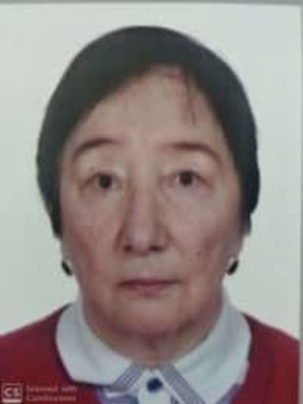
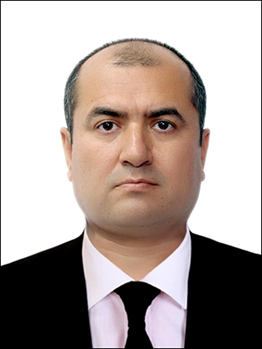
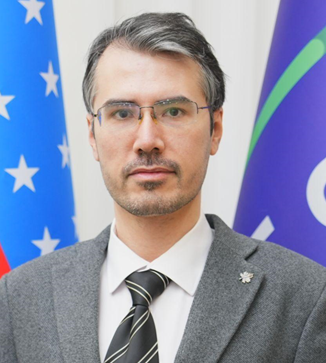
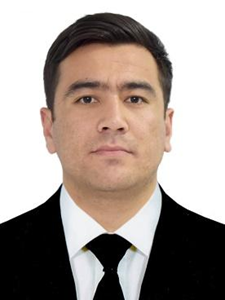
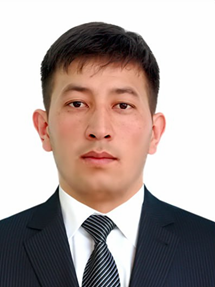
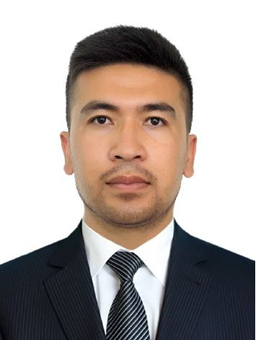
Laboratoriya xodimlari
Ilmiy faoliyat
Hozirgi kunda laboratoriyada quyidagi yo'nalishlar bo'yicha izlanishlar olib bormoqda:
- Generativ sun'iy intellekt va kvant texnologiyalari. Generativ sun'iy intellekt (AI), "chuqur texnologiyalar" va API so'nggi yillarda ko'zga ko'ringan texnologik tendentsiyalar bo'lib kelmoqda. 2024-yil iyun oyida BMT 2025-yilni Xalqaro kvant fani va texnologiyalari yili deb e'lon qildi. Kvant texnologiyalari kvant mexanikasi tamoyillaridan foydalanib, sanoat tarmoqlarini o'zgartirmoqda. Kvant kompyuterlari molekulyar o'zaro ta'sirlarni misli ko'rilmagan tezlikda modellashtirishlari, bu esa yangi dorilarni ishlab chiqishni tezlashtiradi, shaxsiy tibbiyotni joriy etadi va kasalliklarni diagnostikani sifat jihatidan yangi bosqichga olib chiqadi. Bu yo'nalish bo'yicha olib borilayotgan tadqiqotlar Kolmogorov-Arnold neyron tarmoqlari, ko'p etnik ma'lumotlar benchmarkida yurak-qon tomir kasalliklarini prognozlash, kvant algoritmlari, kvant mashinali o'rganish (QML) va kvant yordamida takomillashtirilgan tasvirlarni qayta ishlashga qaratilgan. Natijalar nafaqat nazariy sun'iy intellekt tushunchasini boyitadi, balki zamonaviy tibbiyot va texnologiyalarning rivojlanishida muhim vosita bo'lib xizmat qiladi.
- Klaster tahlili va ma'lumotlarni intellektual modellashtirish. Klaster tahlili intellektual modellashtirish va ma'lumotlarni tahlil qilish sohasining asosiy vazifalaridan biridir. Bu yo'nalishda grafning zichlik o'zgarishini tahlil qilish usuli, murakkab nochiziqli shakldagi klasterlarni aniqlash, zich "yadrolar"ni identifikatsiya qilish va klasterlarning to'liq strukturasini tiklash masalalari o'rganiladi. Tadqiqotlarning asosiy maqsadi - klasterlashni validatsiya qilishning yangi indeksini (Core Separation Index, CSI) ishlab chiqish, uning nazariy asoslarini yaratish va boshqa taniqli indekslar bilan eksperimental taqqoslash orqali samaradorligini isbotlashdan iborat. Bu usullar giperparametrlarni qo'lda tanlash zaruratini kamaytiradi va ma'lumotlar tahlilining avtomatlashtirish darajasini oshiradi.
- Katta til modellarini samarali sozlash. Ushbu yo'nalishda katta til modellarining o'sib borayotgan hajmi natijasida yuzaga keladigan hisoblash va xotira xarajatlari muammolarini hal qilish uchun Parameter-Efficient Fine-Tuning (PEFT) usullari o'rganiladi. Tadqiqotlar OLoRA ning tuzilgan initsializatsiyasini LoRA+ ning tezlashtirilgan optimizatsiyasi bilan birlashtiruvchi yangi gibrid usul OLoRA+ ni ishlab chiqish va sinovdan o'tkazishga qaratilgan. Asosiy maqsad oldindan o'rgatilgan modellarni oz miqdordagi qo'shimcha parametrlarni tanlab sozlash orqali moslashtirib, asl modelning katta qismini muzlatilgan holda saqlash va o'rganish tezligi nisbatini tanlash bilan bog'liq yangi dinamikani ochishdan iborat. Natijalar sun'iy intellekt modellarini samarali va iqtisodiy jihatdan tejamkor tarzda sozlash imkonini beradi.
- Avtomobillarni aniqlash va yo'l harakati xavfsizligi. Bu yo'nalish yo'l harakati xavfsizligini ta'minlash maqsadida avtomobilning modelini va modifikatsiyasini aniqlash (VMMR) tizimlarini yaratishga bag'ishlangan. Tadqiqotlarda mahalliy sharoitlar (yo'l qoplamining holati, kameralarning joylashuvi, yoritish amaliyoti) hisobga olingan holda real CCTV oqimlarida avtomobil modelini va kuzov rangini aniqlovchi amaliy tizim ishlab chiqiladi. Ochiq ma'lumotlar to'plamlarida yetarli darajada aks ettirilmagan O'zbekiston transport muhit sharoitlariga moslashtirilgan modellar yaratiladi. Bu natijalar yo'l harakatini boshqarish, avtomatlashtirilgan nazorat va xavfsizlik tizimlarini takomillashtirish imkonini beradi.
Klinik tadqiqotlarda statistik tahlil. Ushbu yo'nalishda ilmiy tadqiqotlar natijalarini klinik amaliyotga tatbiq etish maqsadida arterial gipertenziya va qandli diabet kabi kasalliklar bilan og'rigan bemorlarda o'lim holati bilan bog'liq statistik jihatdan ahamiyatli klinik-laboratoriya va instrumental ko'rsatkichlarni aniqlash masalalari o'rganiladi. Tadqiqotlar retrospektiv ma'lumotlarga asoslanadi va uzoq muddatli kuzatuv davrini (8 yilgacha) qamrab oladi. Asosiy maqsad - turli xil sog'liqni saqlash muammolari bo'yicha prognoz qilish uchun ishonchli statistik modellar yaratish va klinik qarorlar qabul qilishda tibbiyot xodimlariga yordam berishdan iborat.
Xalqaro hamkorlik
Laboratoriya ko‘plab institut va universitetlar bilan faol ilmiy hamkorlik qiladi, jumladan:
- Moskva va Novosibirsk davlat universitetlari;
- Qozon (Volga viloyati) federal universiteti;
- Stenford, Shimoliy Karolina, Shimoliy Dakota, Cincinnati (AQSh) universitetlari;
- Helmholtz Zentrum Myunxen (Germaniya).
Seminarlar
“Su’niy intellektning tibbiyot va kimyoga tadbiqi”
Seminar manzili: ZOOM ID- 71367387143
Seminar har hafta chorshanba kuni soat 10:00 da o’tkaziladi
Seminar rahbari: F.T. Adilova, t.. f. d., professor, laboratoriya mudiri, Seminar kotibi: R.R.Davronov, katta ilmiy xodim.