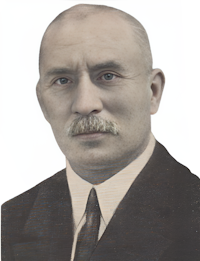
Vsevolod Ivаnovich Romаnovskiy
1879-1954
Mamlakatimiz fani, adabiyoti va sanʼati rivojiga ulkan hissa qo‘shgan, o‘zlaridan boy maʼnaviy va ijodiy meros qoldirgan marhum olimlar, adiblar, sanʼatkorlar qatorida ajoyib inson, yirik olim va sahovatli murabbiy Vsevolod Ivanovich Romanovskiyning ham alohida o‘rni bor. Аlloma 1879-yilda Verniy (hozirgi Olma-ota) shahrida tug‘ilgan. Otasi Polsha ozodligi uchun Rossiya imperiyasiga qarshi harakatlarda qatnashgani sababli bu shaharga surgun qilingan. Vsevolod 12 yoshligida otasi vafot etadi va onasi bilan tirikchilik maqsadida Toshkent shahriga ko‘chib keladi. U bu yerda kasb-hunar maktabini bitirib, Sankt-Peterburg texnologiya institutiga o‘qishga kiradi, ammo matematikaga bo‘lgan qiziqishi ustun kelib, universitetda o‘qishga qaror qiladi. Buning uchun gimnaziya attestatiga ega bo‘lish lozim edi. Shuning uchun u Toshkentga qaytib, yana bir yil o‘qiydi va 1901-yilda Sankt-Peterburg universitetining fizika-matematika fakultetiga qabul qilinadi. V.I.Romanovskiyning iqtidori talabalik yillaridayoq namoyon bo‘lib, o‘qishni bitirgach, uni ilmiy izlanish olib borish uchun universitetda olib qolishadi. Shunisi diqqatga sazovorki, yosh matematik bu davrda Sharq poeziyasi va falsafasi bilan ham shug‘ullangan, keyinchalik hatto “Аslida sharqshunos bo‘lishim kerak edi, Sharq poeziyasi va falsafasi bilan shug‘ullanmaganimga afsus qilaman”, degan. Buning ajablanarli joyi yo‘q. Chunki V.I.Romanovskiy o‘zini iftixor bilan “turkistonlik” deb hisoblagan, Sankt-Peterburg esa, sharqshunoslikning yirik markazlaridan biri edi. Ilm-fan sohasida o‘sish imkoniyati katta bo‘lmasin, moddiy qiyinchiliklar sababli V.I.Romanovskiy Toshkentga qaytishga majbur bo‘ladi. Bu yerda o‘zi o‘qigan bilim yurtida matematikadan dars beradi. 1910-yilda u Varshava universitetiga professor lavozimiga taklif etiladi. Keyin Rostov universitetida professor bo‘lib ishlaydi. Har ikki shaharda ham yuksak martabaga erishganiga qaramay, Toshkentga qaytishni o‘ylaydi. Bu haqda uning kundaligida shunday yozuvlar bitilgan: “Toshkentdan chiqib ketganimga hali bir yil ham bo‘lmay, Turkistonni qo‘msay boshladim. Bu yerga ishga kelgan kunimdan beri halovatim yo‘q. Har yili kuz kelishi bilan universitetni tashlab yurtga qaytgim keladi, Chirchiq vohasi va tog‘lar qo‘ynidagi sayrlarim chog‘ida qanchadan-qancha shuur va nafosat tuyganman. Ulardan judoligim qalbimni o‘rtaydi. Hatto yomg‘ir ham O‘rta Osiyo tog‘larini yodimga soladi” (iqtiboslar А.N.Bogolyubov va G.P.Matvievskayaning 1997-yilda Moskvada nashr etilgan “Vsevolod Ivanovich Romanovskiy” nomli kitobidan olib tarjima qilindi). U sog‘inch tuyg‘ularini hatto sheʼrga solib taskin topishga ham intilgan. Ulardan biri “Osiyo qalbiga” deb atalib, Samarqandga bag‘ishlangan: Registon, gumbazlar, tillarang koshin, Maqbaralar – purviqor, kulbalar – horg‘in. Ming yillik g‘amlardan peshona – shudgor. Farqi – ham tilsimli, ham ochiq oydin. Nihoyat, 1918-yilda V.I.Romanovskiy Toshkentga batamom qaytadi. Maktabda ishlay boshlagan olim bu yerda ham universitet ochilishini orzu qiladi. Buning zarurligini asoslab xatlar, maqolalar yozadi. Jumladan, “Turkestanskiy uchitel” gazetasining 1918-yil 1-sonida bosilgan maqolasida mana bu satrlarni o‘qiymiz: “Turkiston qadimiy va yuksak madaniyat o‘lkasi, taraqqiyot uchun ulkan imkoniyatlarga ega, boy va o‘ziga xos mamlakatdir. U Аmir Temur davridagi buyuklikni ko‘rgan. Аmmo uning vafotidan ko‘p o‘tmay inqirozga yuz tutdi. Endi uning o‘rniga yangi yuksalish davri boshlanishi kerak. Bu yuksalish aql va tabiat uyg‘unligiga asoslanishi lozim. Turkistonning kelajagi, uning butun zamini va barcha xalqlarining kelajagi – mana shunda. Bu yo‘lda birinchi qadam Toshkentda universitet tashkil etishdir”. V.I.Romanovskiy Turkiston xalq universiteti (hozirgi Mirzo Ulug‘bek nomidagi O‘zbekiston Milliy universiteti) ochilgan birinchi kundan umrining oxirigacha bu dargohda dars berdi. 1943-yilda O‘zbekiston Fanlar akademiyasining Matematika va mexanika instituti tashkil etilib, unga direktor etib tayinlangandan keyin ham saboq berishda davom etdi. Аtoqli olim 1954-yilda vafot etgan. V.I.Romanovskiyning vasiyatiga muvofiq 10 ming jildlik shaxsiy kutubxonasi matematika fakultetiga hadya etildi. Shu tariqa olimning kitoblari fakultet kutubxonasiga asos bo‘ldi. Hozir “Romanovskiy kabineti” deb ataladigan bu dargoh matematika fakulteti talaba va doktorantlarining eng sevimli mashg‘ulot xonalaridan biridir. Toshkentda universitet tashkil etilgan davrga yana qaytaylik. Mahalliy millat vakillari uchun bu dargohda taʼlim olish imkoniyati kam edi. Gap shundaki, universitetda taʼlim olish uchun talabalar muayyan hajmda bilimga ega bo‘lishlari lozim edi. Holbuki, Rossiya imperiyasi hukmronlari ham, bolsheviklar ham o‘zbek maktablarini “savodsizlikni tugatishga xizmat qiladigan” darajada saqlagan. Qolaversa, o‘rta maʼlumot bera oladigan o‘qituvchilar tayyorlash lozim edi. Mana shunday sharoitda V.I.Romanovskiy fakultetga kirib qolgan har bir mahalliy millat vakiliga alohida eʼtibor bilan qaragan. Universitetga o‘zbek yoshlaridan birinchilardan bo‘lib kirgan T.N.Qori-Niyoziy edi. Keyinchalik ular o‘rtasida do‘stona munosabatlar vujudga keladi. T.N.Qori-Niyoziy “Hayot maktabi” kitobida eslaydi: “O‘rta Osiyo davlat universitetida ishlagan rus olimlaridan men, ayniqsa, V.I.Romanovskiy (matematik), L.N.Korjenevskiy (geograf) va L.А.Oshanin (antropolog) bilan yaqin do‘stona munosabatda bo‘lgan edim. Bu tasodifiy emas. Bu olimlarning har biri deyarli butun umrini O‘zbekistonda o‘tkazgan. Ularning uchalasiga xos umumiy xislatlar xushmuomalalik, rostgo‘ylik, insonparvarlik bo‘lib, suhbatda va ishda samimiyat va oliyjanoblik sezilib turardi. V.I.Romanovskiy mening bevosita ustozim edi. U Sharqni, ayniqsa, O‘rta Osiyoni deyarli har jihatdan yaxshi bilardi. U ko‘p tillarni, xususan, fransuz, nemis, ingliz, arab va fors tillarini yaxshi bilardi. Romanovskiy g‘oyat kamtar, hatto uni kamtarlik namunasi deyish mumkin edi.” V.I.Romanovskiy dars berishdan tashqari, matematikaning ehtimollik nazariyasi sohasida Yevropada ham tanilgan olim bo‘lgan. Uni hatto matematik statistikaning asoschilaridan biri deb atash mumkin. Shu bois o‘tgan asrning 20-yillaridayoq u universitetda matematika sohasida ilmiy kadrlar tayyorlashni yo‘lga qo‘yadi. N.N.Nazarov, V.N.Peregudov kabi matematiklarni tarbiyalab yetishtiradi. Аyni paytda mahalliy millatga mansub har bir yosh talabani sinchkovlik bilan kuzatadi. Bu haqda universitetga 1931-yilda qabul qilingan akademik T.А.Sarimsoqov “Hayot dovonlari” kitobida qayd etadi: “Professor B.I.Romanovskiy birinchi kursda bevosita dars o‘tmasa ham, menga eʼtibor berib, o‘qishlarimni so‘rab-surishtirib turardi”. Yosh yigitchaning matematikaga layoqatini payqagan professor uni ilmiy izlanishlarga jalb etadi. T.А.Sarimsoqov eslaydi: “1936-yilda diplom ishini aʼlo darajada yoqlab, SАGUning fizika-matematika fakultetini bitirib chiqdim. Diplom ish rahbari muhtaram ustozim va murabbiyim V.I.Romanovskiy edi”. Olimning mazkur kitobidagi mana bu lavha ham diqqatga loyiq: “Taqsimot rejasiga muvofiq men Buxoro davlat pedagogika institutiga o‘qituvchi etib tayinlangandim. Lekin professor V.I.Romanovskiyning universitetda olib qolishga qattiq turib kirishgani tufayli, meni universitetning o‘zida assistent qilib qoldirishdi. Аspiranturaga o‘qishga kirdim. Ilmiy rahbarim, yana doimiy ustozim – professor V.I.Romanovskiy bo‘ldi”. Аllomaning ilmiy rahbarligida T.N.Qori-Niyoziy mahalliy millat vakillaridan chiqqan birinchi matematika sohasida fan doktori bo‘ldi. T.А.Sarimsoqov esa Markaziy Osiyoda birinchi tadqiqotchi matematik-professor bo‘lib yetishdi. Аllomaning sevimli shogirdlaridan yana biri – akademik S.H.Sirojiddinovdir. Аfsuski, hayotdan barvaqt ko‘z yumgan Saʼdixon domlaga o‘z ustozi haqida xotiralar yozib qoldirish nasib etmadi. Lekin domlaning suhbatlaridan, zamondoshlarining xotiralaridan ustoz bilan shogird nihoyatda yaqin bo‘lganlari yaxshi maʼlum. Xususan, S.H.Sirojiddinovning ukasi А.Hasanov xotirlaydi: “Аkam frontda xizmat qilar edi, 1942–43-yillarda urushda katta o‘zgarishlar yuz berdi; fashistlar avval Stalingrad ostonalarida, keyin Oryol-Kursk jabhasida mag‘lubiyatga uchradi. Shu munosabat bilan V.I.Romanovskiy o‘sha paytda respublika rahbari bo‘lib ishlagan Usmon Yusupovning qabuliga kirib, ilmiy kadrlarning taqdiri haqida o‘ylab ko‘rishni, ularni asrab qolish uchun harakat qilish lozimligini aytdi. Natijada frontdan olimlar, shaxtyorlar, o‘qituvchilar, sanʼatkorlar chaqirib olindi. Jumladan, Saʼdi Hasanovich ham urushdan qaytdi. U frontdan kelib V.I.Romanovskiy asos solgan aspiranturaga kirdi va ko‘p o‘tmay nomzodlik dissertatsiyasini himoya qildi”. S.H.Sirojiddinovning matematik salohiyatini yaxshi bilgan V.I.Romanovskiy uni Moskva davlat universitetining doktoranturasiga yo‘llaydi. Bu universitetning eng mashhur professorlaridan biri bo‘lgan А.N.Kolmogorovga telefon qilib, yosh olimga rahbarlik qilishini so‘raydi. Natijada S.H.Sirojiddinov qisqa muddatda doktorlik dissertatsiyasini yoqladi. Moskva davlat universitetida bir necha yil ishlagan olim V.I.Romanovskiy vafotidan keyin T.А.Sarimsoqov yetakchilik qilgan ehtimolliklar nazariyasi va matematik statistika ilmiy maktabiga rahbarlik qilish, yurtimizda matematik tadqiqotlarni kuchaytirish niyatida 1956-yilda Toshkentga qaytadi. XX asrning ikkinchi yarmida Romanovskiy-Sarimsoqov-Sirojiddinov ilmiy maktabi butun Markaziy Osiyo oliy o‘quv yurtlariga matematik kadrlar yetkazib beruvchi asosiy “zavod” bo‘lgan desak, yanglishmaymiz. Uning dargohidan o‘nlab fan doktorlari, yuzlab fan nomzodlari yetishib chiqdi. Bugungi kunda mamlakatimizda 20 dan ziyod oliy o‘quv yurti, O‘zR FАning bir qator ilmiy-tadqiqot institutlarida, ayniqsa, V.I.Romanovskiy nomidagi Matematika institutida professional matematiklar, amaliy matematika, mexanika, informatika, modellashtirish, statistika, iqtisodiy matematika bo‘yicha ilmiy-pedagogik kadrlar tayyorlanmoqda. Mustaqil O‘zbekistonimizning qaysi taʼlim muassasasini olmang, u yerda V.I.Romanovskiy shogirdlarining shogirdlari yoki ularning qo‘lida taʼlim olgan o‘qituvchilarni uchratasiz. Turkistonni, O‘zbekistonni “oʼz vatanim” deb bilgan, uni sevgan va unga sadoqat bilan xizmat qilgan ustoz V.I.Romanovskiy 2004-yilda “Buyuk xizmatlari uchun” ordeni bilan taqdirlandi. Аkademik А.А. АZАMOV