
Hisoblash matematikasi ilmiy laboratoriyasi
Laboratoriya mudiri
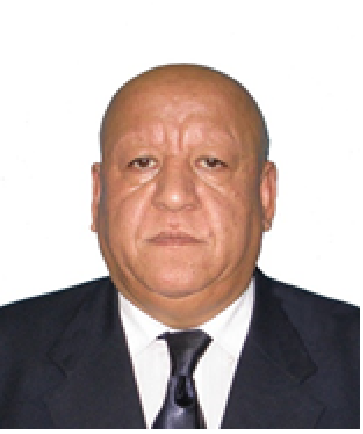
Hayotov Abdullo Raxmonovich
Laboratoriya mudiri
📧 Email: hayotov@mail.ru
📞 Telefon: +99897 3946419
🕔 Qabul kunlari:
🏢 Xona raqami: 308
📍 Manzil:
100174, Toshkent shahri, Olmazor tumani, Universitet ko'chasi, 9-uy
BatafsilLaboratoriya haqida
XX asrga kelib klassik hisoblashlar, taqsimotlar nazariyasiga aylantirildi. Zamonaviy matematik analizning asosiy markaziy ob'ektlariga Lebeg ma'nosidagi integrallar va Sobolev ma'nosidagi hosilalar kiradi. Lebeg bilan Sobolev tarixga integral va hosilalarga yangicha qarash bilan kirib kelishdi. Ma'lumki, matematik talant ustozdan shogirdlariga o`tadi. Bu bir zanjirki uning halqalari biri-biriga mahkam bog‘langan bo‘ladi va u matematik maktablarni bir-biriga bog‘lab turadi. Buni Sobolevning mashhur Eyler maktabidan kelib chiqqanini ko‘rish mumkin.
Ko‘pchilikka ma'lumki, S.L.Sobolev O‘zbekistonda funksional analiz yo‘nalishini rivojlantirishga o‘zining munosib hissasini qo‘shgan. U 1967 yilda O‘zR FA “Kibirnetika” instiutida “Integrallarni taqribiy hisoblash” laboratoriyasiga asos solgan. Bu laboratoriyaning birinchi mudiri, S.L.Sobolevning shogirdi, professor G‘.N.Salixov bo‘lgan. O`sha yillarda laboratoriyada ko`plab olimlar ishlagan. S.L.Sobolev rahbarligida doktorlik dissertasiyalarini G‘.N.Salixov va X.M.Shadimetovlar, nomzodlik dissertasiyalarini Z.J.Jamalov, T.X.Sharipov va I.I.Jalolovlar himoya qilganlar.
Ushbu laboratoriyani 1976-1995 yillarda, dunyoga mashhur olim N.P.Romanovning shogirdi, professor M.I.Isroilov boshqargan va bu laboratoriyada S.Shushbayev, M.To`laganova, S.To`laganov, I.Allakov, X.M. Shadimetov, B.Eshdavlatov, S.A.Baxromov, S.I.Isroilov, Z. Eshkuvatov va boshqa olimlar ishlashgan. Bu laboratoriya o`tgan asrning 90 yillarida “Hisoblash metodlari” nomli bo`lim bo`lib V.I.Romanovskiy nomidagi Matematika institutiga ko`chdi. Ushbu bo`limni 1995-2019 yillarda S.L.Sobolev va G`.Salixovning shogirdi, professor X.M.Shadimetov boshqargan.
O‘zbekiston Respublikasi Prezidentning 2019-yil 9-iyuldagi “Matematika ta’limi va fanlarini yanada rivojlantirishni davlat tomonidan qo‘llab-quvvatlash, shuningdek, O‘zbekiston Respublikasi Fanlar akademiyasining V.I.Romanovskiy nomidagi Matematika instituti faoliyatini tubdan takomillashtirish chora-tadbirlari to‘g‘risida”gi PQ-4387-sonli qaroriga asosan “Hisoblash metodlari” bo‘limi “Hisoblash matematikasi” laboratoriyasiga o‘zgartirildi. Bu laboratoriyani 2019 yildan shu kungacha S.L.Sobolevning nevara shogirdi, professor A.R.Hayotov boshqarib kelmoqda. Hozirgi kunda “Hisoblash matematikasi” laboratoriyada f.-m.f.d., professor X.M. Shadimetov, f.-m.f.d., professor A.R.Hayotov, f.-m.f.d., yetakchi ilmiy xodim F.A. Nuraliyev, PhD., yetakchi ilmiy xodim D.M.Axmedov, f.-m.f.n., katta ilmiy xodim O.X. Gulomov, PhD., katta ilmiy xodim S.S.Azamov, PhD., katta ilmiy xodim A.K.Boltayev, PhD., katta ilmiy xodim S.S.Babayev, PhD., U.Xayriyev, PhD., J.Davronov, PhD., N.Doniyorov, A. Qurbonnazarov va F.I.Davlatovalar kabi olimlar ishlamoqda.
Mamlakatimizda ilm-fan sohasini rivojlantirish, xalqimizning intellektual salohiyatini yuksaltirish, fan-texnika taraqqiyotini yangi bosqichga ko‘tarish borasidagi ko‘p yillik samarali mehnati, nufuzli xorijiy muassasalar bilan o‘zaro hamkorlikni yanada mustahkamlash, boy ma’naviy merosimizni xalqaro miqyosda targ‘ib etish, ilg‘or innovatsion loyihalarni amalga oshirishga qo‘shgan ulkan hissasi, yuksak bilimli va malakali ilmiy xodimlarni tayyorlash, yoshlarimizni buyuk allomalarimizga munosib avlod etib tarbiyalash, Uchinchi Renessans poydevorini yaratish yo‘lidagi ibratli faoliyati hamda ijtimoiy hayotdagi faol ishtiroki uchun ko`p olimlar qatori, 2023 yilning 23 dekabrida, Abdullo Hayotov “Shuhrat” medali bilan taqdirlandi.
Faol ilmiy aktivligi uchun 2025 yilda X.M.Shadimetov va A.R.Hayotovlar Stenford/Elsevier Top 2% olimlar roʻyxatiga kiritildi.
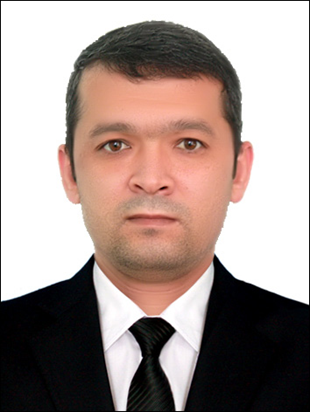
Laboratoriya xodimlari
Ilmiy faoliyat
Hozirgi kunda “Hisoblash matematikasi” laboratoriyasida quyidagi yo‘nalishlar bo‘yicha izlanishlar olib bormoqda:
- Panjarali optimal kvadratur va kubatur formulalar nazariyasi. Panjarali optimal kvadratur va kubatur formulalar nazariyasi bu ko'p o'lchovli integrallarni eng kam hisoblash resurslari sarflab, eng yuqori aniqlik bilan hisoblash "retseptlarini" yaratish usulidir. Uning asosiy tadbiqi murakkab integral va differensial tenglamalarni sonli yechishdan tortib, kompyuter tomografiyasida tibbiy tasvirlar sifatini oshirishgacha bo'lgan keng doirani qamrab oladi.
- Optimal interpolyatsiyon formulalar va splaynlar nazariyasi. optimal interpolyatsion formulalar va splaynlar nazariyasining asosiy va yagona maqsadi — bu ma'lum nuqtalar to'plami (ma'lumotlar) orqali o'tadigan va shu bilan birga, iloji boricha "eng yaxshi" (optimal) va "eng silliq" bo'lgan funksiyani (egri chiziqni) qurishdir. Optimal interpolyatsiya formulasini izlash masalasining yechimi — bu splayndir. Ya'ni, ma'lum bir funksiyalar sinfida (masalan, Sobolev fazosida) interpolyatsiya xatoligini minimallashtiradigan "eng optimal" egri chiziq — bu aniq bir turdagi interpolyatsion splayn (ko'pincha kubik splayn) bo'lib chiqadi. Boshqacha aytganda, splaynlar nafaqat amaliy jihatdan (silliq va boshqarish oson) qulay, balki ular nazariy jihatdan ham "eng aniq" va "eng optimal" yechim hisoblanadi. Splaynlar nazariyasi qanday qilib silliq va moslashuvchan egri chiziq qurishni ko'rsatuvchi amaliy vosita bo'lsa, optimal interpolyatsiya nazariyasi nima uchun aynan o'sha splaynlar eng kam xatolikka ega bo'lgan "eng yaxshi" yechim ekanligini isbotlab beruvchi nazariy asosdir.
- Differensiyal tenglalamarni taqribiy yechish uchun optimal ayirmali metodlar. Differensial tenglamalarni yechish uchun yagona, universal "eng yaxshi" metod mavjud emas. "Optimallik" – bu statik xususiyat emas, balki yechilayotgan masalaning xususiyatlariga, talab qilinayotgan aniqlikka va mavjud texnologiyalarga bog'liq holda doimiy ravishda qayta ko'rib chiqiladigan dinamik maqsaddir. Shu asosda, optimal ayirmali metodlarning asosiy maqsadi – bu muayyan bir masalalar sinfi va mavjud hisoblash resurslari uchun aniqlik, turg'unlik va hisoblash samaradorligi o'rtasidagi eng maqbul muvozanatni (optimal murosani) ta'minlaydigan sonli sxemani ishlab chiqish va tanlashdir. Ushbu keng qamrovli maqsad o'z ichiga uchta asosiy komponentni oladi: Ishonchlilik (Reliability): Yechimning turg'un bo'lishini va fizikaga zid bo'lgan sonli artefaktlardan (masalan, haddan tashqari diffuziya, parazit tebranishlar yoki noto'g'ri dispersiya) xoli bo'lishini ta'minlash. Bu yechimning sifatini va unga bo'lgan ishonchni belgilaydi. Samaradorlik (Efficiency): Belgilangan aniqlikka minimal hisoblash xarajatlari (vaqt va xotira) bilan erishish. Bu metodning amaliy qo'llanilishini va katta hajmdagi masalalarni yechish imkoniyatini belgilaydi. Aniqlik (Accuracy): Sonli yechimning haqiqiy yechimga yetarlicha yaqin bo'lishini kafolatlash. Bu natijalarning miqdoriy to'g'riligini va bashorat qilish qobiliyatini belgilaydi. Optimal metodni izlash – bu murakkab, ko'p mezonli optimallashtirish jarayoni. Bu jarayon ilmiy va muhandislik masalalarini ishonchli, tez va arzon sonli modellashtirish imkonini beradi, bu esa o'z navbatida zamonaviy fan va texnologiyalarning rivojlanishi uchun fundamental asos bo'lib xizmat qiladi.
- Differensial operatorlarning diskret analoglarini qurish. Differensial operatorlarning diskret analoglarini qurishning asosiy maqsadi – bu ko'pincha analitik (aniq) yechimga ega bo'lmagan murakkab differensial tenglamalarni kompyuterda yechish mumkin bo'lgan oddiyroq algebraik tenglamalar tizimiga aylantirishdir.1 Bu yondashuv fan va texnikaning deyarli barcha sohalarida uzluksiz fizik jarayonlarni sonli modellashtirish uchun fundamental vosita hisoblanadi. Differensial operatorlarni diskret analoglar bilan almashtirish usuli uzluksiz dunyoni tavsiflovchi matematik modellarni sonli va hisoblash mumkin bo'lgan shaklga o'tkazish uchun universal "ko'prik" vazifasini o'taydi. Bu esa o'z navbatida real dunyo muammolarini kompyuter simulyatsiyalari orqali tushunish, bashorat qilish va optimallashtirish imkonini beradi.
- Integral tenglamalarni taqribiy yechish uchun optimal metodlar. Integral tenglamalar fan va muhandislikning ko‘plab sohalarida, jumladan, potensiallar nazariyasi, akustika, elastiklik, suyuqliklar mexanikasi, radiatsion issiqlik almashinuvi va boshqa ko‘plab jabhalarda fundamental matematik modellar sifatida namoyon bo‘ladi. Ular fizikaviy prinsiplardan to‘g‘ridan-to‘g‘ri kelib chiqishi yoki differensial tenglamalarni qayta ifodalash natijasida hosil bo‘lishi mumkin, bunda ko‘pincha chegara shartlari yanada tabiiyroq tarzda tenglamaning o‘ziga singdiriladi. Integral tenglamalarning keng tarqalganligiga qaramay, ularning aksariyati uchun, ayniqsa murakkab yadrolar yoki geometriyaga ega bo‘lgan holatlarda, yopiq ko‘rinishdagi analitik yechimlar mavjud emas. Elementar funksiyalar orqali ifodalanadigan boshlang‘ich funksiyalarga ega bo‘lgan funksiyalar fazosi, biz hosilasini olishimiz mumkin bo‘lgan funksiyalar fazosidan ancha kichikdir. Murakkablikning asosiy manbai integral operatorning yadrosi hisoblanadi, u "xohlagancha murakkab" bo‘lishi mumkin. Differensial operatorlar uchun Shturm-Liuvill nazariyasi kabi tizimli yondashuvlar mavjud bo‘lsa-da, integral operatorlar uchun analitik yechimlarni topishning yagona umumiy paradigmasi yo‘q. Shu sababli, amaliy masalalarni hal qilish uchun yuqori aniqlikdagi sonli metodlarga tayanish muqarrar bo‘lib qoladi. Bu yerda "optimal" so‘zi yagona eng yaxshi metodni anglatmaydi, balki bir nechta o‘zaro bog‘liq mezonlar bo‘yicha muvozanatga erishishni nazarda tutadi. Biz izlayotgan yaxshilanishlar quyidagi o‘lchovlar bo‘yicha miqdoriy baholanishi mumkin: Aniqlik: Taqribiy yechimning noma’lum haqiqiy yechimga qanchalik yaqinligi. Samaradorlik: Kerakli aniqlikka erishish uchun qancha hisoblash resurslari (vaqt va xotira) talab etilishi. Barqarorlik/Mustahkamlik: Metodning kirish ma’lumotlaridagi kichik o‘zgarishlarga, yaxlitlash xatoliklariga va diskretizatsiya tanloviga (masalan, to‘r sifati, geometrik burchaklar) qanchalik sezgirligi. Maqsad – hisoblash jihatidan imkonsiz yoki noto‘g‘ri bo‘lgan metodlardan keng ko‘lamli, yuqori aniqlikdagi simulyatsiyalarni amaliyotga tatbiq etish imkonini beradigan metodlarga o‘tishdir.
Xalqaro hamkorlik
O‘zR FA V.I.Romanovskiy nomidagi Matematika institutining “Hisoblash matematikasi” laboratoriyasi ilmiy xodimlari va Toshkent davlat transport universitetining “Informatika va komp'yuter grafikasi” kafedrasi professor-o‘qituvchilari dunyoning yetakchi ilmiy markazlari va universitetlari olimlari bilan birgalikda hozirgi zamon hisoblash matematikasining dolzarb muammolarini hal qilish bo‘yicha ilmiy hamkorliklar olib borishmoqda. Xususan, quyidagi olimlar va ularning ilmiy maktablari bilan ilmiy hamkorlik juda yaxshi yo‘lga qo‘yilgan.
1) Professor V.L.Vaskevich, Rossiya fanlar Akademiyasi Sibir bo‘limining S.L.Sobolev nomidagi Matematika instituti, Rossiya.
2) Professor M.D.Ramazanov, Ufa matematika instituti, Rossiya.
3) Professor M.V.Noskov, Sibir federal' universiteti, Krasnoyarsk, Rossiya.
4) Akademik G.V.Milovanovich, Serbiya fan va madaniyat akademiyasi Matematika instituti, Serbiya.
5) Professor E.Novak, Fridrix-Shiller nomidagi Yena universiteti, Germaniya.
6) Professor A.Kabada, Santiyago de Kompostela universiteti, Ispaniya.
7) Professor Ch.-O. Li, KAIST, Janubiy Koreya.
8) Professor S.S.Sherbakov, Belarus' davlat universiteti, Belarus' Respublikasi.
9) Professor Parovik R.I., V.Bering nomidagi Kamchatka davlat universiteti, Rossiya
Seminarlar
Hisoblash matematikasi va uning tatbiqlari (ilmiy seminar)
Seminar manzili: Oflayn
Har chorshanba kuni soat 09:00 da V.I.Romanovsky nomidagi Matematika instituti 102-xonada
Seminar rahbari: Professor X.M.Shadimetov, seminar kotibi: D.M.Axmedov